The Best Things in Life are Free

The saying goes that best things in life are free. But there are some pretty fabulous things that are not free, actually far from it.

Things that are expensive:

Seven nights at this holiday house at Port Douglas – $30,000 (off-season, of course)

port douglas

Gucci Soft Stirrup Crocodile Shoulder Bag – $35,000 (and I bet I’d still not be able to find my keys unless I tipped the whole thing out)

Gucci handbag

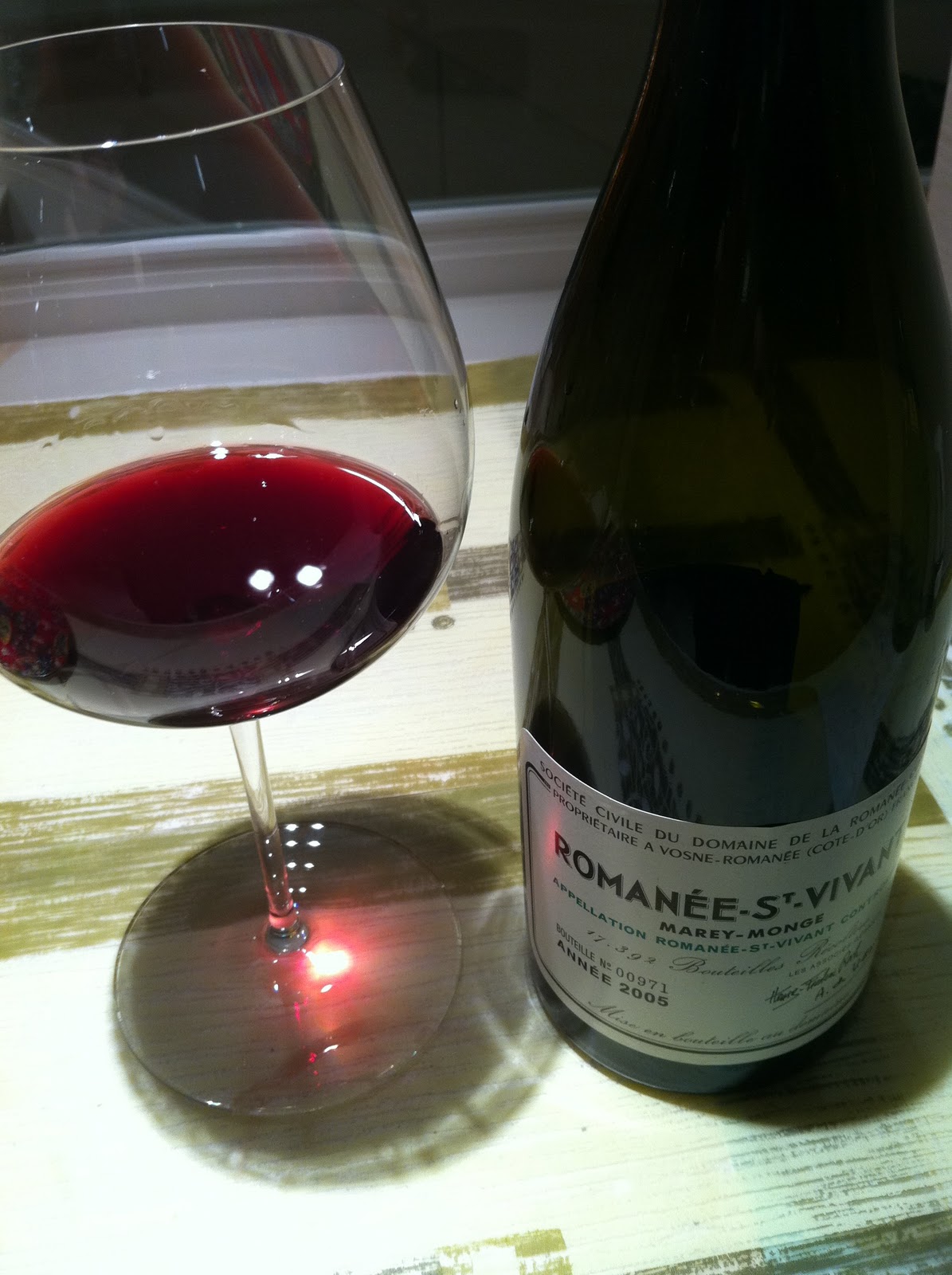
Bottle of Dom de la Romanee Conti St Vivant Grand Cru Cote Nuit Vosne Burgundy – $38,000 (will still make your teeth and tongue go purple, but in a really fancy French way)
expensive wine

There are also some really shit things that are really fucking expensive:

Cancer.

On average, cancer costs the patient $47,200 out-of-pocket. That is, $47,200 which is not covered by Medicare or private health insurance (if you have it). $47,200 that you either have to pay out in direct medical expenses such as specialist visits, surgeries, treatments and medications, travel expenses, increased need for child care, ongoing need for specialist devices and prosthetics (aka the actual boob in the actual box), or that you lose because of time off work for either you, or your carer, or both.
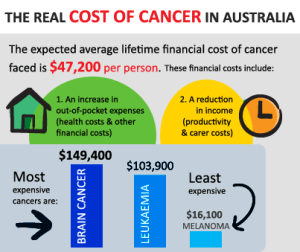
Cost-of-Cancer

The amount cancer costs an individual varies on the type and stage of cancer and their life situation. In my case, in terms of actual medical expenses, breast cancer is one of the cheaper cancers because it is common and the treatments are readily available and therefore not as expensive. It also doesn’t require a lot of medical imaging tests, unlike many other cancers such as those within the organs. Having said that, my cancer was at an advanced stage and so my treatments were complicated and heavy-duty. My out-of-pocket medical expenses added up to just over $12,000 in eight months.

I have premium private health insurance, which covered the bulk of my $48,000 total treatment bill, but  I still had to fork out for the many gap amounts which have to be paid by the patient, and then there was the cost of a seemingly endless array of medications. These medications aren’t actually to treat the cancer (as the chemotherapy drugs are paid for by your health insurance), but rather are to treat the side effects of the cancer. Endone for pain, steroids to boost immunity, temazepam for insomnia caused by the steroids, neulasta to prevent infection, SM-33 gel for mouth ulcers, silver sulfadiazine for radiation burns, amoxicillin for post-radiation burn infections …. and there’s your $12k gone.

As well as the $12,000 spent on medications, I lost in excess of $50,000 in income, as my income protection insurance did not cover my full salary. At the time of diagnosis I was the sole income earner, yet despite losing a breast, all of my hair, a fair amount of my sanity and more than $60,000 in the space of a year, I am one of the lucky ones. I could afford to pay for everything I needed. I had some income protection insurance. We were well ahead on our mortgage and were able to access that money to pay for my out-of-pocket expenses. We lived close to treatment centres so travel and accommodation did not have to be paid for. Dave put his degree on hold and found a job quickly that thankfully had the flexibility to enable him to care for our young child and me. We took a financial hit, but we have been able to come back from it. This is not the case for many people, and it will continue to get worse if the planned changes to Medicare go ahead.

The recent federal budget announcement in Australia was followed by a shit storm in the media about the mooted changes to Medicare. Most of the media coverage, and the associated discussion on social media, was about the government’s plans to introduce, from July 2015,  a $7 co-contribution charge for GP consultations and out-of-hospital pathology services, and an extra $5 towards the cost of each PBS prescription. What did not get much attention or discussion was the proposed changes to out-of-pocket costs for medical imaging such as CAT scans, MRIs and x-rays. The Australian Diagnostic Imaging Association says as a result of the budget  most patients will have to pay $90 upfront for an x-ray, $380 for a CAT scan, up to $160 for a mammogram and up to $190 for an ultrasound. A PET scan will cost over $1000 upfront. Whether you are a public patient (with some exceptions) or have private health insurance is irrelevant. These will be your upfront payments.

If you have, for example, advanced bowel cancer, you may require some sort of scan every 2-3 weeks during your treatment, which can go on for years. You may require a CAT scan one week, and a follow-up PET scan two weeks later. If these changes to Medicare proceed, you could be facing an outlay of $1380 every month just for basic testing. It should be stressed that this testing is not being done for shits and giggles (pardon the arse cancer pun there), it is being done so that decisions can be made about the type of treatment needed, and whether treatment is working or needs to be adjusted. Cancer patients universally hate scans because of the enormous and soul-destroying anxiety caused by the wait for results, so having to pay thousands of dollars each month for a dose of scanxiety just adds insult to injury.

Cancer is not something that happens to old people, or rich people, or other people. It happens regardless of where you’re at in life, and the worry about the financial cost adds another dimension to a really shit situation. I can tell you from experience that lying in your hospital bed alternating your worry between whether you are going to die and whether you will be able to pay the mortgage is horrendous. To exponentially increase the cost of doctors visits, medications and scans will mean that some patients simply will not be able to afford the treatments or tests they need.

If you want to register your concern regarding the proposed changes to Medicare, so that every person in this country can afford to access the health care they need to stay alive and live well, here’s what you can do:

  • send an email  to or telephone your local Federal member and/or state senators – contact details can be found here;
  • add your support to the GetUp campaign to protect Medicare;
  • think very carefully about how you vote at the next election.

Happy Days

On this day in 1967, in a tiny little hospital in country Victoria, a baby called David was born. He was the fourth boy to come into the family, with beautiful red hair and bright blue eyes. The red hair is important to this story, as two years later in a town in Queensland a little girl was born, and it would become clear once she was a teenager and saw the character of Richie Cunningham in the tv show Happy Days, that she had a thing for red-headed boys. Apparently natural red-heads represent only 0.5% of the world’s population, which may explain why it took that girl until she was 36 years old to meet the red-headed bloke of her dreams.

I found my thrill …

That baby boy is my husband Dave, who celebrates his birthday today, and that girl with a penchant for red-heads has never lost her taste for them, but these days it focussed on just one ginger in particular.

When you get to the age of 36 and you are still unmarried, you pretty much resign yourself to a life of singledom, but I was a never say never kinda girl, and so with low expectations but sporting a red shirt which made the most of my great rack just in case, I embarked on a blind date on Sunday, 11 December 2005. We met for lunch, which turned into a four-hour conversation, which turned into dinner the next night, which turned into a proposal in Sydney on my birthday eight months later. We got married on 16 December 2006.

Love, honour and ... holy crap I'm marrying Richie Cunningham!

Love, honour and … check me out people, my very own Richie Cunningham!

There are many words that I could use to describe Dave, who is in fact a man of very few words. He is funny, smart, and incredibly capable, and above all a loving partner and devoted father. At the age of 42, he decided to quit his job as a boilermaker and go to university for the first time to do a Bachelor of Education so he could become a special education teacher. It took phenomenal guts to take that plunge, but he has stuck at it, achieving a GPA of nerd-like proportions with now only six courses left until graduation. Of course he has his faults, including starting a sentence ………… and then finishing it twenty minutes later, and apparently untreatable male blindness which causes him to be unable to find things despite them being exactly where they’ve always been. But I’m not going to mention those faults here because it would be rude given it’s his birthday today.

Of course it hasn’t all been beer and skittles for us. I found out I had cancer just prior to our sixth wedding anniversary, and the aforementioned great rack got turned into a not-so-impressive coat hook. Despite what telemovies and inspirational posters would have us believe, cancer does not bring out the best in you, it brings out the absolute worst – and I look back now and wonder at Dave’s ability to maintain his quiet, stoic support through my regular bouts of complete selfishness and utter irrationality.

cancer demotivate poster

Today our life bubbles along. I like to cook and he cleans up, I break things and he fixes them, I am a menopausal seether and yet he doesn’t feel the need to drink to excess. As I was the day we got married, I am so pleased and proud to be married to this wonderful human being. He is a gem, a quiet achiever, and a top root, and whilst he is in my life I will continue to be a better person than I was before.

Happy Birthday to my beloved husband. In the time we’ve been together I don’t think I’ve succeeded in finding you the perfect gift, and I’m betting that this post leaves you more embarrassed than it does chuffed. But this blog is something that you’ve supported so wholeheartedly that I thought it only right (and cheap) to acknowledge you in this way.

Here’s to you honey. These happy days are yours and mine.

The Gift of Now

My undergraduate degree major was English Language and Literature, which meant I read several novels, poetry collections and plays each week. I was constantly finding quotes that resonated, and sticking them to my bedroom mirror or the pinboard above my typewriter. Yes, typewriter. As well as giving me a lifelong love of the written word, my degree enabled me to develop ancillary skills such as the ability to centre a heading on an A4 page by finding the middle of the page by using the typewriter’s inbuilt ruler, counting the letters in the heading, and then backspacing half that number. You’ll be pleased to know this was before the introduction of HECS, so thankfully I didn’t rack up a big debt honing my typewriter skills to make me a bit more employable, only to have personal computers become a standard in most workplaces the following year.

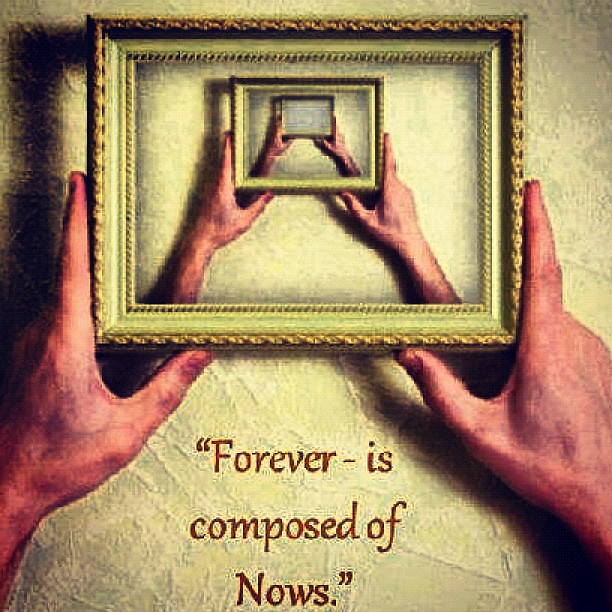
Because like many arts students I was a bit emo before emo was even a thing, a quote that got stuck to my undergraduate pinboard was this one by the American poet Emily Dickinson:

forever quote

I’d forgotten all about this quote until I read it again on the weekend, in a newspaper article about a terminally ill artist called Joannah Underhill. Joannah was diagnosed with Hodgkin’s lymphoma, a type of blood cancer, in 2006, and in the ensuing years underwent a range of aggressive treatments including chemotherapy (multiple times) and a bone marrow transplant. But Joannah’s condition relapsed, and after radiation failed she was offered one final treatment – another bone marrow transplant. On the verge of beginning this last-ditch regime, and after eight long years of devastating treatments, Joannah decided not to go ahead, and is now receiving palliative care. She is 36 years old.

When I first read that quote, I was an 19 year old university student who had not much of a clue about all the terrible, sad, and wretched things that can happen to people, and thankfully, had absolutely no inkling that some of these might one day happen to me. At the time, I took the quote to mean that life is full of possibilities, so take every opportunity offered to you as it’s offered. In my naivety, ‘forever’ was something we would all get a crack at. My only first-hand experience of death was that of my grandmother who had died the year before at age 82. She’d dropped dead in her own home after a morning spent at bingo, still in one of her nice going-out frocks and smelling of 4711 which had long been her perfume of choice. I guess at that point I’d led a pretty fortunate and sheltered life, so the notion of someone dying a lingeringly painful death in their 30s or 40s was as foreign a concept to that young arts student as actually turning up for lectures.

Since I was reminded of that quote on the weekend the words have been flipping around in my mind. I know from my bitter experience with cancer diagnosis that there is no such thing as forever, and that all we have is now. Each now we get is a gift. Sometimes that gift is golden, and handed to us on a platter – a bike ride in the winter sunshine, the preparation and sharing of a delicious meal, a chance to watch our favourite team play live (GO CATS!). Sometimes the gift is a small chunk of hope ‘you will be treated with curative intent’, wrapped in a packaging of anxiety, fear and despair ‘but your chances are still only 50/50’. Sometimes the gift is finding the strength to keep trying treatments in the hope of extending life, if only for a few extra months. And sometimes, for people like Joannah, the gift is in the letting go and the acceptance. For her, there is joy in living every day as it comes, despite – or perhaps because of – knowing that her last day is not too far away.

Apheresis by Joannah Underhill. Click on this image to visit Joannah's website.

Apheresis by Joannah Underhill. Click on this image to visit Joannah’s website.

I don’t know Joannah Underhill but I am in awe of her guts and her grace, and the sense of life that leaps out of her artwork, and the quietude that emanates from her words. I am also in awe of those who are told they are terminally ill and are not accepting of it, who continue to fight tooth and nail, who rail against the utter unfairness and walk, terrified and weeping, into operating theatres and treatment rooms to undergo regimes that only have a small chance of working. I believe that the desire to fight on, despite being battered and bruised and down for the count, is as poignant and heart-wrenching as the decision to put a stop the fight altogether. To quote Emily Dickinson again:

“Hope” is the thing with feathers –
That perches in the soul –
And sings the tune without the words –
And never stops – at all –

Graffiti on my Psyche

I spend the 15 minute drive to my day job each morning thinking about writing on this blog. I have lots of ideas churning around in my head, and although an idea might start off being totally unrelated to cancer, somehow everything I write about ends up cancer-flavoured (it’s hard to describe, but I can tell you it tastes nothing like chicken.) As much as I try not to write about cancer, I end up writing about fucking cancer. It occurred to me today that trying not to let cancer influence what I write about would be like trying to see someone else’s face when I look in the mirror.

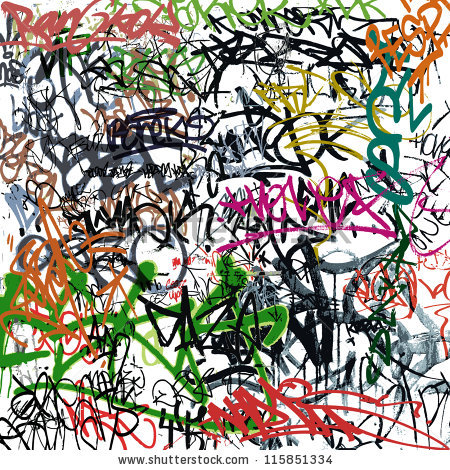
It’s as if the word the cancer has been graffitied all over my psyche and there are just not enough spray packs of ripper stripper for the soul available to remove it all. Even if I do manage to wipe some of it away, something will happen and those words are writ all over me again, bigger and uglier than ever. This weekend it was a migraine headache which refused to budge for a couple of days, despite some heavy-duty medication. I suffered from migraines before cancer and in the past have had many that lasted as long, but these days a migraine pretty much instantly has my brain screaming ‘secondary tumour, secondary tumour, secondary tumour’. One of my cancer friends actually did the whole Arnold Schwarzenegger ‘it’s not a tumour’ line for me which made me laugh and a couple of hours later the headache resolved.

stock-photo-a-wall-with-lots-of-graffiti-115851334

My most recent CT scan.

The fact that  I have cancer friends doing cancer jokes about me potentially having secondary cancer demonstrates what I mean about it being written all over me. Of course I am, except for my right breast, 16 lymph nodes and my once amenable nature, pretty much the same person I was before cancer, but parts of me are vastly different and I’m still not entirely comfortable with that. I’m still in love with the same man, but he is now in love with a woman with one breast and sometimes that makes me feel so incredibly sad. I am still the mother of a gorgeous small person, but when I make parenting mistakes I mentally castigate myself about it, sometimes for hours on end, because what if I die and all he remembers is the times I yelled at him?

Some days the only thing that seems tangible is that I had cancer and I may well get cancer again; that word has been written over and over my soul so many times that I can’t remember what, if anything, used to be written there before. I have learned to accept these days, because fighting against them is pointless, and I also believe that the acceptance of them actually helps to reduce how often they occur. I often wonder what will happen if I make it to the magic five year mark, at which point I will be considered cured. Will the Cancer Council send in a psyche graffiti clean up crew to remove all traces of the unsightly tags, or will they be with me always, faded into a dull patina where the words are now unrecognisable but the sentiment lingers on?

I want so badly to find out. I want to know what it feels like to be someone who has been cured of cancer. The wanting of it is so visceral that I feel actual pangs when I think about it. Every day that goes by I am one day closer. Until then, and perhaps even beyond, I am marked, stained and defaced by cancer.

bc graffiti

The New Normal

The day I was diagnosed, I felt the world as I knew it crumble away. Three words ‘you have cancer’ were like a giant bulldozer that instantaneously came smashing through my life. I had just turned 43, commenced work that week on a major project, my husband was half-way through his career-changing degree, and our son was in his final months of pre-school and looking forward to starting school. I had a lovely life, was happy in the routine swing of the daily business of being and contemplating a future full of promise. But with those three words, all that seemed gone, and what I had left was a great big smashed up mess of what used to be my life, with a giant, steaming pile of shit perched right on top of it.

The fear and shock that comes with such a diagnosis pervades every waking moment in those first hours and days, and in my case it was like a constant buzz in my head, to the point where I was convinced I could actually hear buzzing. Initially I wondered why no-one else could hear it, then I convinced myself, as only someone with newly diagnosed cancer can, that I must also have a brain tumour which was affecting my hearing. Of course I didn’t mention the buzzing to anyone because denial was pretty much the only weapon I had left in my armoury.

noise badge

Right up until the point I went in for the mastectomy, every waking moment was filled with the buzzing noise, to the point that I often found myself trying to lip-read what people were saying because the clamour of it was so loud.  Just before I went into surgery, I had a final discussion with the anaesthetist, and the buzzing was almost deafening. But then he said ‘I know you are scared. But this surgery will remove the tumour, and when you wake it up it will be out of your body’, and quite literally, right at that moment the buzzing stopped. I realise now that there was no noise, that it was purely a psychosomatic manifestation of my fear created by my brain. My sub-conscious must have decided that I couldn’t take on board anything more, and the buzzing became like virtual earplugs, keeping anymore bad news out. It was only when that doctor acknowledged my fear that it was able to be quelled enough for my brain to shut off the buzzing.

Once the noise was muted, and a plan of action for my treatment was put in place, it became clear that things certainly had changed. I had been the sole income earner at the time of diagnosis but wasn’t able to work for the eight months of my treatment, and so my husband had to stop studying and find a job. My daily life went from juggling projects, pre-school pick-ups and community volunteering, to treatments, appointments with my medical team, and drug-assisted sleeping. I found out about the vortex of bureaucracy that underpins income protection insurance, and learned that ‘being treated with curative intent’ was the most fist-pumpingly positive phrase that I would ever see written about me by a medical oncologist.

The thing about my life, or maybe about me, that changed the most was my ability to think about the future. When you are being treated for cancer, your world becomes very small as you focus on what must be managed – your treatments and responses to them, and what cannot be ignored – your family. Everything else pretty much fades away, with what you are capable of dealing with in the foreground and the rest pushed so far away you’d need binoculars to see it. You tend to live day by day, and as far forward as you dare look is the next chemo infusion or oncologist appointment. Any thoughts of the future become too uncomfortable to contemplate because, the stark fact is, you might not actually not still be alive in a year. When I was at my sickest, my young son was obsessed with reading a picture book called Mr Chicken Goes to Paris. He would talk incessantly of when we would go to Paris, and what we would see, do and eat. I found these conversations excruciatingly painful, and would hold myself together long enough to humour him with discussions about our possible trip to France, and then later sob quietly to myself in the shower.

But despite all this, I started to see that my whole life had not actually been fucked over to the degree I originally thought. There was still happiness and a developing, new normality. Each night (except for the two I spent in hospital after surgery) I lay in bed next to my husband, soothed by his regular, deep breaths and reassured by the warmth of his skin under my hand. I was still alive, I was still here, and the steadiness he brought to my life was as reliable as ever. My beautiful son was still a source of complete joy with his mix of earnest small boy musings, slapstick humour and love for his mummy … and I still had his Lego to walk on with bare feet to remind me what real pain feels like.

lego

My friends were there like they have always been; involved, supportive and pulling the piss out of me when I was looking a bit too po-faced, as did my work colleagues who took to emailing me daily photos of other people using my closely guarded personalised coffee mug.  I had my third chemo treatment on 17 December, and we hosted fourteen people at our house for Christmas lunch seven days later. The potatoes cooked in duck-fat were bloody delicious, the maple glazed ham stupendous, and I didn’t lift a finger to clean up despite the fact I felt quite ok. The fireworks still went off on New Year’s Eve, they were as glorious as ever and I gasped at their beauty and only once wondered if they were marking the beginning of the last year I would ever see. They weren’t. I’ve seen them again since, with my boy perched on my lap, our cheeks mashed together as we cast our eyes skyward, and this time I didn’t even think about dying once.

For as much as I have lost – and there is a shitload both quantifiable and not – I have been, and continue to be, reminded in myriad ways that I still have so much. And at this point, that (and the actual boob in the box) is the legacy with which cancer has left me. When things start getting taken away, the things that you still have are thrown into sharper relief. Whilst these days I may have far fewer certainties in my life, those that I do have mean so much more. And that is the new normal.

Seether

One of the bonuses of going through chemotherapy at 43 was that it caused me to commence early menopause. There are a range of drugs used for breast cancer (the drugs vary based on type and stage of cancer) and many of them destroy ovarian reserve, which in turn causes the related hormonal functions of the body to start switching off. Your period stops, your skin starts to slacken and your bones lose density. Add that to what you’re already going through with chemotherapy, and you are essentially caught up in a giant maelstrom of awful.

A woman who hasn’t had chemo will usually start going through the precursor to menopause, called perimenopause, over a 3-5 year period in her late 40s or early 50s. She’ll then go through full-blown menopause which may take another couple of years to complete. From what I’ve been told, for those women, menopause could be likened to a slow, meandering steam train ride through the end of their fertile years. Some parts of the journey are spent admiring the scenery, some are spent lying down in the sleeper car with a gin and tonic, and some are spent trying to find someone to help you turn down the temperature of the bloody airconditioning.

For those of us who go through menopause brought on by chemo, it’s the same journey but done like an attempt at the world land speed record, where you start off being forcibly pushed onto a bullet train by a conductor wearing white gloves, and get off 45 minutes later in a strange town, minus your ovaries, libido and sense of humour.

picture of a train

All aboard the menopause express.

Menopause is regularly referenced in movies and tv series, so we all know it involves hot flushes and loss of libido (ain’t nothing funnier than a middle-aged sweaty woman with no interest in sex). But whilst these two symptoms are obvious (and awful), my worst symptom brought on by the evil triumvirate of cancer, chemotherapy and menopause has been the appearance of a nasty little gremlin that appears to have taken up residence inside me, and who has a bit of a hair-trigger.

As many people will attest (although not within my earshot, for they have learned their lesson) I go from zero to really bloody angry in about six seconds. I arc up to volcanic proportions over things like the gravy I’ve made being too runny, or not being able to find a nail file in the crap drawer, or the cat wanting to be fed.  As a result, I swear a lot, especially when driving … and working, and cooking, and cleaning, and shopping, and walking and watching tv …  Sometimes I throw things, I regularly compose narky emails to work colleagues which I (mostly) don’t send, and much to my shame I often speak to my poor, long-suffering husband in a less than loving tone.

Got a light?

Got a light?

Nobody else knows this (well I guess they do now!) but I have named my gremlin Seether after the song by the band Veruca Salt. The lyrics go a little something like this:

Seether is neither big nor small
Seether is the centre of it all
I try to rock her in my cradle
I try to knock her out
I try to cram her back in my mouth
Can’t fight the seether

When I am feeling especially uptight, I sing this song in my head (to avoid looking like a total menopausal nutcase in public), or out loud if possible. I picture the little, green, chain-smoking freak in my mind, sing the lyrics, and often end up laughing to myself at the absurdity of it all, which means it’s worked. Most nights I sing it in the shower in an attempt to rid myself of the Seether before I set about relaxing for the night. Boob in box, bit of gremlin visualisation, a couple of verses of Seether and then it’s time for an episode of Call the Midwife. Living the dream, people, living the dream.

Because my cancer was stimulated by oestrogen, I’m unable to take any of the medications used to manage menopause. So it’s a mind game, and my fervent hope is that the Seether will gradually disappear as my body learns to live minus all those fertile lady hormones. In the meantime, I’ll continue to practice my version of mindfulness.

Tits and Arse

One of the words that is used time and time again when discussing people with cancer is dignity. Hospital mission statements tell us we’ll be treated with dignity, we are lauded for our dignity by those viewing us from afar, and if cancer is to cut our lives prematurely short, then we seek to live our remaining days with as much dignity as the ravaging disease will allow. But the truth is that for cancer patients, dignity is something you very much leave at the door with your breast, bowel, kidney or liver …

Cancer brings with it a love/hate relationship with your body. You hate your body because you feel as if it’s betrayed you by allowing the cancer to invade it, but at the same time you feel sorry for your body because it’s being subjected to so many terrible things. Your body becomes something you simultaneously want to escape from and retreat into. The loss of dignity which occurs through so many surgeries, tests and treatments becomes evidence that your body cannot be trusted. After treatment is finished, this feeling lingers.

In a previous post I talked about how when I woke from my mastectomy surgery, I vomitted so much that I wet myself. Fortunately the humiliation of that particular situation was moderated by the massive amount of pethidine I had under my belt, and the fact that the nurses where two girls I had gone to school with some 25 years earlier. If you’re going to pee your pants in public, best do it whilst high and in the company of people who knew you when you thought George Michael was straight. Now that is embarrassing.

My friend Jules has bowel cancer. I had breast cancer. Together, we are the 40-something tits and arse of the cancer world, and have experienced the many and varied humiliations that cancer brings. I’m bringing Jules in here to talk about the indignities of the arse-end of cancer, firstly because she provides a stark insight into the reality of the experiences of a bowel cancer patient, and secondly because apparently the only thing funnier than a fart joke is one about a barium enema.

Jules: Having given birth to four children in the last 10 years, I used to think that childbirth was the biggest assault on the dignity that one could possibly imagine. However, since being diagnosed with bowel cancer, sometimes affectionately known as “arse cancer” 6 months ago, I have learned that childbirth, on the embarrassment scale, roughly compares to leaving a nightclub toilet, shitballs drunk, with your skirt tucked into your underwear.

I don’t know how many times I have heard people say that they avoid going for a colonoscopy because they would be too embarrassed. I’m here to tell you that having a camera inserted into your backside when you are for all intents and purposes asleep, does not even scratch the surface of what comes afterward, if you do, as I did, have a bad result.

For me, it all started when I woke from the colonoscopy to a nurse putting my underwear back on. Horrified, I asked her what she was doing, and she patted my leg (yes, really), and said in a conspiratory whisper, “It’s ok dear, I do this all the time.” I very much wanted to tell her that I fucking didn’t, but in all honesty, I was stunned into silence. By golly gosh though, that was just the beginning.

Soon after, I was called to the radiology centre, to have a rectal MRI. I arrived cheerfully enough, thinking these machines can see anything they want to, from the outside, right? Well, as it turns out, the bowel is quite hard to see on an MRI, which meant that I was led into a room by a nurse who asked me, to my utter mortification, “do you know what KY Jelly is?” whilst waiving a large tube around menacingly. As we were talking about a rectal MRI, I was absolutely certain that I didn’t like the way this conversation was headed, but I took a deep breath and said “I have, but I am pretty sure that I have never used it in the context that you are about to tell me about.”

I used to think that the words ‘panties’ and ‘moist’ were the two worst words in the English language, with both being an evocative assault to the eyes, ears and mind. These days, I can add three more words to that list. Meet my new friends ‘rectum’, ‘mucus’ and ‘discharge’ – most special when used together in a sentence, put to you by a young and charming consultant with movie star good looks. Seriously, bowel cancer would be so much less embarrassing if the doctors were ugly and old.

Proposed screening test for doctors wanting to specialise in arse-related cancers:

dr doug ross


old doctor

A few months after diagnosis, I was admitted to hospital with a bowel obstruction. After a CT scan, the last test I had to have to confirm I needed emergency surgery (to insert a hole in my stomach that I could take a shit out of), was a little number called a barium enema. I now know that the other most feared words in the world, when used in a sentence are “lie on your side, and raise your knees up towards your chest.” It doesn’t take much imagination to work out that if your bowel is completely blocked, anything of this nature is going to be roughly comparable to having a coke can (or indeed the beverage of your choice), shoved up your arse and then pulled out again. After that, being rushed into surgery, and thereafter having my bum reside rent free in my body as a completely useless organ was nothing but a kindness.

They say what doesn’t kill you makes you stronger, and at one stage, it felt like the humiliation could kill me way before the disease got a chance to take hold. I could not cope any other way, unless I met it head on with humour, and it helps me cope with the constant invasion of an area, which to my mind was only ever designed to be an exit point. I’ve had to come to terms with a body that I worry is no longer attractive to my partner, due to the “alterations” that have been made, hopefully temporarily, to the plumbing. Coming to terms with this is very much a work in progress, but luckily I have a husband who loves me for me, and has also been able to see the funny side on several occasions when the old adage “if you didn’t laugh, you’d cry” is about to be played out. This very much the reality of cancer treatment, a constant mind fuck, and quite frankly, a body fuck, just not in the areas you would usually expect.

Julie and Jules: So now we’ve got you laughing and cringing simultaneously (it’s a special talent brought on by chemo-therapy – Spiderman-like superpowers or even x-ray vision – hello Dr Handsome – would probably have been more useful, but you make the best of what you’ve got) we would like to deliver a serious health message.

super powers badge

Yes, a colonoscopy is embarrassing, but all the things detailed above … well they don’t bear thinking about, do they? The symptoms of bowel cancer are listed on the Bowel Cancer Australia website. Please if you have any of these symptoms, see your doctor straight away.

Mammograms involve getting your tits out and having them squashed between two metal plates – that’s nobody’s idea of a good time, but  neither is having your breast cut off followed by 8 months of chemotherapy and radiation. If you are over 40, touch yourself regularly, have a mammogram every two years and see your doctor immediately if you notice anything unusual.

The Actual Boob in the Actual Box

The name of this blog came about because a) I was looking for something catchy and memorable, b) because it is symbolic encapsulation of my experiences, and c) because I’ve always admired alliteration.

But behind the title there is actually a boob and it’s actually kept in a box:

If only the real one was still this pert.

If only the real one was still this pert.

It was made in Germany and cost $400, most of which was refunded by Medicare. That was pre-Federal Budget. If I need a replacement I’ll probably have to make it myself by filling party balloon with the contents of a tube of hair gel.

It’s hard to describe the excitement I felt the day I finally got my boob in a box. For six weeks post-mastectomy, I had to wear a fibre-filled cushiony thing like a little pillow. The surgical site is too tender and raw to handle anything firm against it, and is also too swollen to allow a boob in a box to be properly fitted, so the pillowy one is shoved in the bra to provide some semblance of normalcy. The problem is that the pillowy ones don’t look, feel or act like normal boobs, and because they are so lightweight they have a tendency to want to sit up around your collarbone, which makes you look like you have an unsightly goitre. I am a D-cup, so being without one of my breasts made me feel incredibly lop-sided and impaired my balance.

So when the day came that I was able to be fitted for my boob in a box, there was much rejoicing. I had an appointment at a speciality lingerie place, with a lady who is trained in fitting prosthetics, and she took her work very seriously indeed. She bore an uncanny resemblance to Pauline Hanson, which was a little unsettling at first and made me hyper-aware of avoiding the use of the word xenophobic or making any reference to fish and chips, but she knew her business and had warm hands.

Although she had a passion for politics, Pauline found her true calling in the world of prosthetic norks.

Although she had a passion for politics, Pauline found her true calling in the world of prosthetic norks.

Prosthetic boobs come in a range of sizes, and each size is weighted to feel like a normal breast. I was happy with the first silicone boob that was popped into my bra, mainly because it did not immediately start migrating towards my shoulder, but Pauline was not pleased with the result and made me turn this way and that, all whilst shaking her head and muttering that I was definitely a 9, not an 8 (boobs come in sizes like shoes). Once I had the 9 ensconced in my bra, well it was happy days! I kept looking at myself in the mirror, and laughing, as I couldn’t believe that it looked so real and even and normal. I could wear a t-shirt again! I could walk around the supermarket with both hands on the trolley instead of having to steer single-handedly whilst the other hand constantly readjusted my pillowy goitre. I could actually forget for a little while that I’d had a mastectomy. And that was the best feeling in the world.

I’ve had my prosthetic boob for 18 months now, and it has become very much a natural extension of my body. I am mostly unaware of it, until I have a shower at the end of the day and my boob gets put in its box for the night. Pretty much from the day after my mastectomy, people have asked me whether I’m going to have breast reconstruction surgery. Back then my answer was a big, fat, automatic NO as the thought of more surgery made me feel physically ill. These days my answer would still be no, but probably not as emphatic. The thought of voluntarily lining up for more medical procedures still fills me with dread, and my boob in a box is doing a great job.

But there are times when I wish I could wear v-neck tops or swimmers that don’t have a neckline reminiscent of the 1800s. It would also be wonderful to go braless (in private of course, even when I had two boobs they were not allowed out in public unrestrained) and not be constantly aware of what’s missing. One normal (44-year-old, size D, saggy) boob and a wide expanse of concave chest on the other side is not helped by even the fanciest of pyjamas, and without my boob in a box I am at risk of going around in circles like a rowboat with one oar. Maybe if I make it to my magic five-year ‘cure’ milestone, I’ll celebrate by getting a reconstruction. But it’s more likely that I’ll mark the milestone by dragging my boys on a trip through Europe or throwing a massive party, happy in the knowledge that whilst my boob might be in a box, I’m not.

The Wind Beneath My Wings

Yesterday, I did the Mother’s Day Classic Walk/Run in Brisbane. The event is held across Australia on Mother’s Day to raise money for breast cancer research. I am unfit and inherently lazy (gee, I wonder if those two things are linked?) but I was intent on doing my part to raise money for research, and also to prove to myself that one year on from treatment, I could do it.

Raising money for cancer research and support is something I committed myself to during my treatment. Every day that I sat having a combination of docetaxel, doxorubicin and cyclophosphamide infused into my body, I thought a lot about the science behind the cytotoxic cocktail that was hopefully going to save my life. The regime of chemo I had – called dose dense because it is infused every two weeks instead of the usual three – is used for patients whose tumour is large and has spread into the lymph nodes. Dose dense has been proven to significantly increase the chances of survival in people like me. The dose dense regime requires the use of an additional drug called pegfilgrastim to help boost the white blood cell count so that the chemo drugs can be given more frequently. Basically, without pegfilgrastim dose dense chemo would not be able to be used as a treatment because the patient would be at risk of serious or fatal infection. Pegfilgrastim was approved for use in 2002, ten years before my diagnosis. So, if I had been diagnosed 11 years earlier than I was, I would not have been able to have the treatment I did, and my chances of survival would have been greatly reduced.

I read an article the other day which said it takes an average of 17 years for evidence-based research findings to be put into clinical practice. So perhaps in 1985 or 1986, when I was watching Live Aid whilst admiring my new Swatch watch, or seeing Ferris Bueller’s Day off whilst sporting my asymmetrical ‘Flock of Seagulls’ haircut, researchers in the US started looking for solutions to the problem of chemotherapy causing the white blood cell count to drop to dangerous levels. In 2002, when I was single and carefree, spending my weekends drinking too many canned vodka premixes and watching Footballers Wives, the government gave the green light for pegfilgrastim to be used on patients undergoing dose dense chemo. Which meant that in 2012, when I was the married mother of a four-year old facing an earth-shattering diagnosis, I could have the treatment I needed. My efforts in raising or donating money for breast cancer research today is not likely to be of any personal benefit to me, but that is entirely the reason I do it. Those who raised funds in the 1980s didn’t see the benefit of their efforts, I did. And so it must go on.

Yesterday was a long way from the 1980s, and yet walking alongside me was someone I met in 1982.

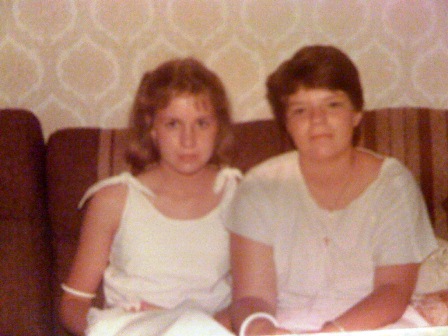
Clearly depressed by the lounge suite and wallpaper situation, circa 1982.

Clearly depressed by the brown-ness of lounge suite and wallpaper situation, circa 1982.

Karin and I have been best friends since the first week of high school, and when I was watching Live Aid, she was there wearing her black Swatch watch (mine was white), and we saw Ferris Bueller at the cinema together (her spiral perm a lovely counterpoint to my own fabulous do). We have seen each other through boyfriends, weddings, births, miscarriages, divorces and all the rest of life’s dramas, a constant source of support, honesty, love and reality for each other for more than 32 years. The morning I received the phone call to tell me I had breast cancer (a call which was not meant to come through until late that afternoon), literally 30 seconds after I hung up the phone an SMS came through from Karin, which said ‘Have you heard anything yet?’.

Early on in my diagnosis, Karin told me baldly that it was simply not possible that I would die, because I was the keeper of our memories. She has a shocking memory for faces and names (and places and dates), and so has always relied on me to fill in the blanks. If I died, who would remind her about the time she got sent to the principal’s office for wearing orange juice bottle lids as goggles in art class? Or about our French teacher whose favoured winter ensemble was a natty turtle-neck jumper and neck-tie combination? Or just how amazing she is, as a friend, mother, partner, daughter and teacher?

One of us still has amazing legs, and one of us is wearing tracksuit pants.

These days, one of us still has amazing legs, and one of us is wearing tracksuit pants.

The 1980s were so good to me in so many ways – I got a lifelong friend, an understanding of just how unflattering asymmetrical haircuts can be, and a drug that so far has saved my life. The 1980s also gave us the movie Beaches and the theme song made famous by Bette Midler. Best friends have many in-jokes, and this is one of them. For you, Karin:


Brave and Inspirational

My friend started chemo this week. Even though I’ve been through it myself, it was hard to know what to say to her. But I knew what not to say. I did not tell her she is brave or inspirational. Because frankly, she is neither.  I know she will read this post and I know she won’t be the slightest bit offended by it, because people with who have cancer talk to each other with a level of frankness and honesty that I have never experienced in any other context.

I have the good fortune of belonging to a very small online group of young(ish) women with cancer. We talk to each other about our fears, our symptoms, our treatments and our prognoses. We swear (a lot, and with aplomb) about all of these things, and we support each other with the kind of raw love that only exists between people with horrible shared experiences. We’ve never met in person, but we have the most intimate insights into each others’ lives. We make the most hilarious jokes about colostomy bags and missing boobs, the kind of gallows humour that enables humans to process what may otherwise break us down.

Recently, I was lying in bed late one evening laughing hysterically whilst reading one friend’s story about how, by the time her cancer was diagnosed, she had not done a poo for two weeks. The super strength drugs she was given to get things moving along proved a little too effective, so much so that it was a long time before she again felt able to ‘fart with confidence’. In researching (ie googling aimlessly) whilst formulating this post I actually discovered that there is a company called Shreddies selling underpants with built-in fart filters. The company motto is ‘Fart with Confidence’.

Each pair of undies comes with a free gift card!

Each pair of undies comes with a free gift card, because nothing says thoughtful present than a pair of fart-filtering underpants.

Pretty much as soon as word gets out that you have been diagnosed with cancer, people start telling you that you’re brave. I have to have a mastectomy tomorrow … OMG you’re so brave. My hair all fell out so I ordered some scarves online … wow you’re just so brave. I feel like shit but my son has his first day of school … you’re the bravest person I’ve ever met. NO. No I’m not. It might make you feel better to see a person with cancer as brave because people only get dealt the cards they have the strength to deal with, right? Wrong. When I was in the midst of diagnosis and surgery and treatment,  I was frightened, absolutely fucking terrified, and on many occasions mentally and physically incapacitated by my fear. I wasn’t being brave by doing all the things I did – I was just trying to stay alive. True bravery is doing something in a selfless fashion without any benefit for yourself. The soldiers who landed at Gallipoli were brave. Members of the rural fire brigade who drive into massive fire zones to try to save the lives and property of people they don’t know are brave. Having treatment for cancer is one of the most self-interested things you can do, and does not involve bravery of any kind. It is all about survival.

The other thing that the cancer clique (so named because we are exactly like the popular girls were at school, but with added cancer) has discussed is how much we dislike being told, by people who don’t have cancer, that we are inspirational. What exactly is someone who has cancer inspiring others to do? Not get cancer? Because I think that is pretty much the only take home message that other people could have gotten from my experience. I didn’t choose cancer, it didn’t make me a better person and I hate the way it now influences (sometimes subtly, sometimes more obviously) pretty much every aspect of my life. For someone going through cancer, to feel that somehow your suffering is something to be drawn on by people who are not ill to give them the momentum to improve their life is not comforting or heart-warming or flattering. It actually becomes a burden, where the cancer patient feels like they need to be positive and upbeat during a time when just getting out of bed in the morning requires every ounce of inner resolve they have.

So if you’re not supposed to tell a cancer patient they are brave and inspirational, what are you supposed to say to them? Well, firstly, start with asking them how they are, rather than telling them what they are. And when you ask, make sure you are really willing to listen, and maybe then ask a question or two or offer some practical assistance. Maybe a little role play might help here. You be the person who doesn’t have cancer, and I’ll be the one who does. No, really, I think I should be the cancer person because I’m the De Niro of the pretend conversation on a blog acting world. Anyway, firstly we’ll do the what not to say version:

You: Julie, you look so great, I cannot believe you have cancer. You are so brave going out in public in that scarf, I just couldn’t do it!

Me: Oh …. um … thanks. Yep, I am just fine. [I say, as I assume my metaphorical foetal position.]

You: The way you are going on with life as if everything’s normal, well you’re a complete inspiration. We’ll have to catch up for a coffee. Bye!

Me: Thanks so much, that sounds great. [Walks through supermarket like zombie unable to remember what I came for and wondering if I’ll be able to make it back to the car without having to stop for a rest.]

And now we’ll do it the way that doesn’t make the cancer patient feel like they’re letting everyone down by actually being ill:

You: Julie, how are you?

Me: Oh I’m ok.

You: Really? What you’re going through must be tough, how are things going?

Me: Things are tough, I am really tired and the treatment makes me feel dreadful.

You: I am so sorry to hear that. I really would like to offer you some practical help. If you’d like I will come around on the weekend and take your kids out for the day, how about we say 8am on Saturday?

Me: If we really were friends you’d know I only have one kid, but I’m going to let that slide because this is only a role play.

I have hesitated to write this post for a while, worrying that it might come across as mean-spirited or ungrateful. But then I thought about all the poor, poor souls who will today be told they have cancer, and those who will be told tomorrow, and those the day after … and I realised that I needed to publish this post for them. I don’t want you to feel bad if in the past you’ve told someone with cancer that they were brave or inspirational, as let’s face it they probably have chemo brain and will be flat-out remembering how they have their coffee.

I’d like to dedicate this post to the cancer clique – Emily, who will be getting a pair of matching his and hers Shreddies for her wedding this weekend; Elizabeth who muffles her colostomy farts with a stubby holder, Anne whose son wants a pirate themed birthday party to make the most of mum getting around in a jaunty headscarf, Charlotte who feels bad because her hair hasn’t fallen out, Maria who posted the most hilariously unintelligible gibberish on Facebook when she was off her tree on pain medication, and George who is really struggling right now. Not a single one of you is either brave or inspirational. Unlike this lovely cross-stitch:

FCancer72large_large